News
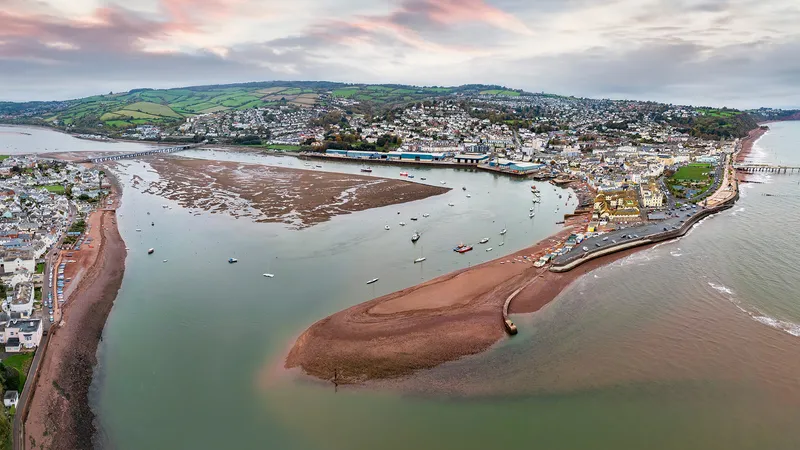
One Sea, Many Pressures: Why the Ocean Cannot Be Managed One Problem at a Time
Thursday, July 9, 2026
We have built our science, and much of our policy, around single pressures. But ecosystems respond to the total load, and the total is not a simple sum of the parts.
Sparsification: How Models Learn to Leave Things Out
Wednesday, June 17, 2026
Imagine trying to model a coastal ecosystem from scratch. You have a few hundred species, dozens of nutrients and pollutants, a handful of fishing fleets, several tourism pressures, and a climate signal running through all of it...
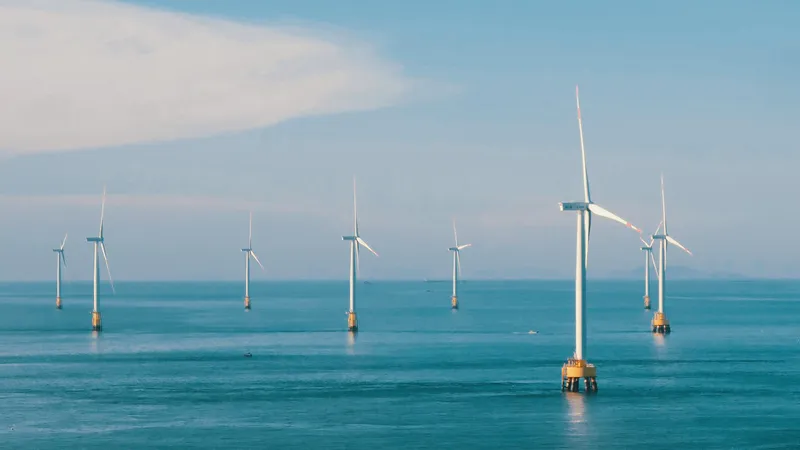
Offshore Wind and Marine Ecosystems: Co-existence or Compromise?
Tuesday, June 2, 2026
Europe’s offshore wind ambitions are enormous. The European Commission’s target of at least 60 GW of installed offshore wind capacity by 2030, rising to 300 GW by 2050, would require industrialising large areas of the continental shelf...
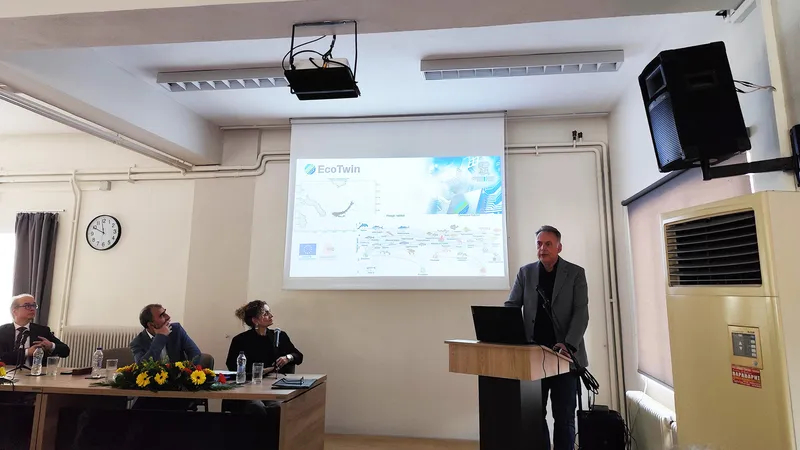
EcoTwin at "Environment and Economy": Prof. Sylaios on Digital Twins for Regional Climate Resilience
Thursday, May 28, 2026
As part of EcoTwin's ongoing dialogue with regional stakeholders on digital environmental monitoring and climate resilience, EcoTwin participated as a keynote speaker at the thematic event "Environment and Economy."
Causal Inference for Non-Statisticians: A Marine Science Primer
Wednesday, May 20, 2026
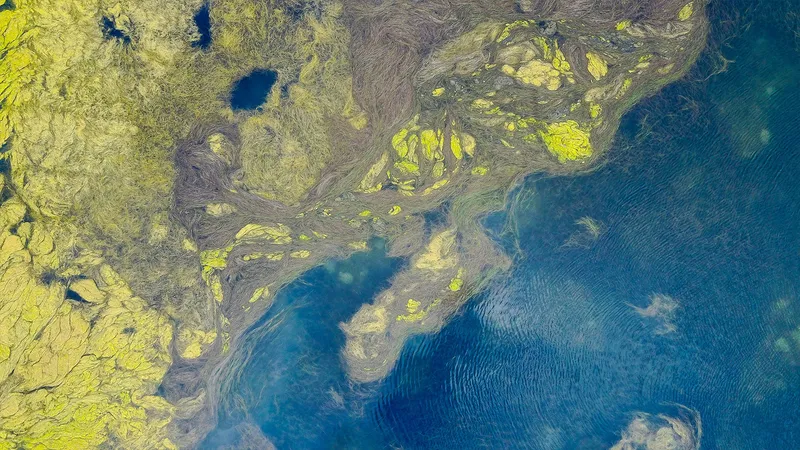
Here is a pattern that will be familiar to anyone who has worked with marine data. Sea surface temperatures rise in a coastal region. A few weeks later, a phytoplankton bloom appears.
EcoTwin Research on Oil Spill Forecasting and Ecosystem Resilience Presented at EGU 2026
Tuesday, May 12, 2026
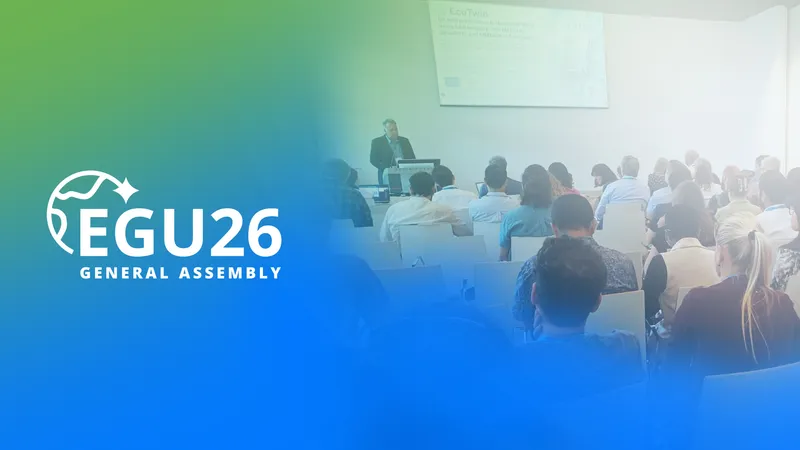
Prof. Georgios Sylaios and his team represented the EcoTwin project at the European Geosciences Union (EGU) General Assembly 2026 in Vienna, presenting new research that brings advanced marine forecasting and environmental risk modelling.
-Do-for-Ocean-Science-800x450.webp)
What Generative AI Can (and Can't) Do for Ocean Science Right Now
Tuesday, April 28, 2026
Large language models and generative AI have arrived in marine science, as they have everywhere else. The tools are impressive. The claims made on their behalf are sometimes more impressive still.

The Data Gap Nobody Talks About: Social Data in Marine Science
Thursday, April 23, 2026
Marine ecological models have improved enormously over the past two decades. We can now simulate ocean currents, track nutrient cycling, and predict species distribution shifts under climate scenarios with impressive precision.

Digital Twins Beyond the Factory Floor: What 'Twinning' an Ecosystem Actually Means
Wednesday, April 15, 2026
The term "digital twin" has become difficult to avoid. It appears in corporate strategy decks, government policy documents, and research funding calls with increasing regularity.
Why Marine Ecosystems Are So Hard to Model — And Why We Keep Trying
Wednesday, April 1, 2026
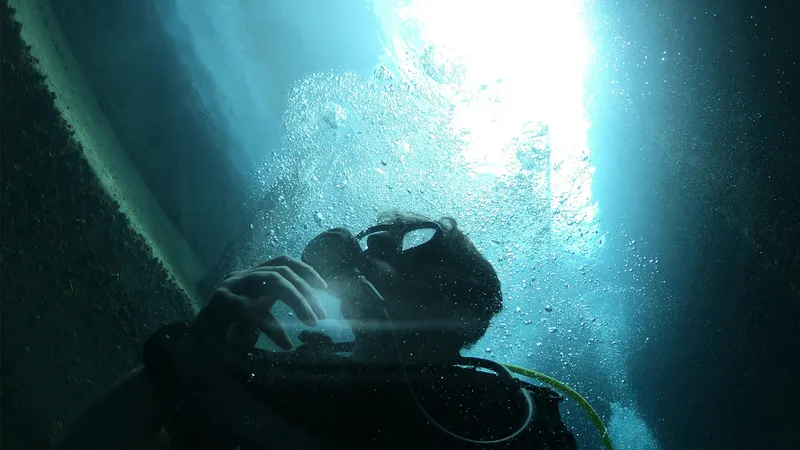
The ocean covers roughly 71% of the Earth's surface and generates about half of the planet's oxygen. It regulates our climate, feeds billions of people, and supports a web of biodiversity we are still only beginning to catalogue.

Graph Neural Networks: A New Tool for Causal Discovery in Marine Environments
Thursday, March 19, 2026
Marine socio-ecological systems are profoundly interconnected. Species interact through food webs, habitats influence community structure, and human activities shape ecological outcomes in ways that ripple across space and time.

Bayesian Networks and Causal Probabilities in Marine Systems
Thursday, March 12, 2026
Marine environments and their ecosystem dynamics are full of uncertainty. Fish stocks fluctuate from year to year, plankton blooms appear and disappear, and coastal economies respond to shifting ecological and regulatory conditions.